Choosing a Professional Hair Removal Machine by Clinic Profile, Not by Spec Sheet
You have a real budget. You have a real treatment room. And you have a daily schedule that doesn't care about the laser's theoretical pulse width. So why do most buying guides lead with joules, spot sizes, and marketing spec sheets?
Because spec sheets are easy to write. But they won't tell you whether your tech can stand at that machine for six hours, whether the handpiece survives a month of back-to-back legs, or whether you'll still be using it in two years. This page flips the logic. Start with your clinic profile. Then let that profile demand certain specs.
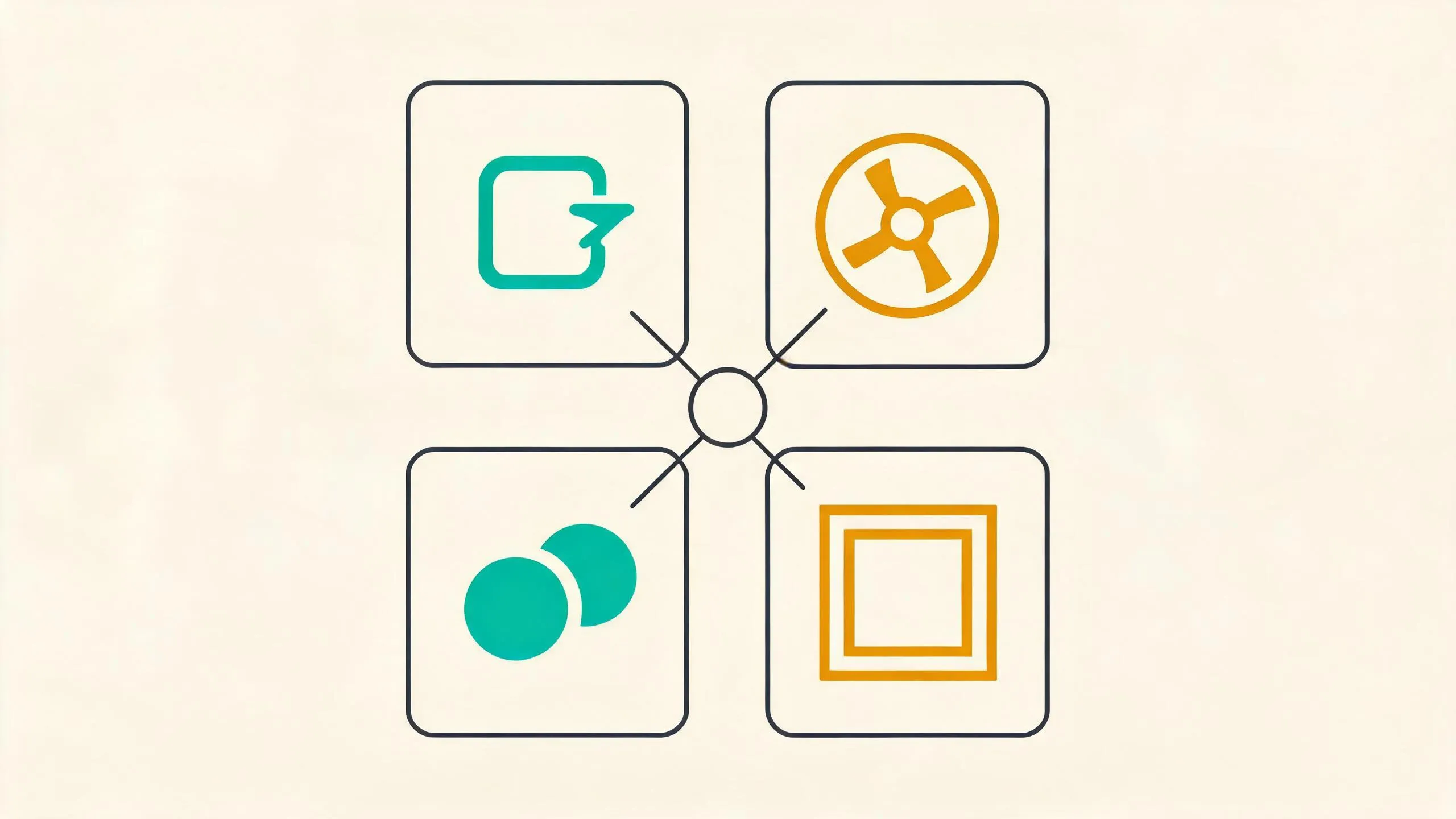
Four profiles matter. You're one of them.
Profile 1: The Solo Salon with Legs and Backs on the Menu
You work alone. Or with one other tech. Your bookings are mostly large areas: full legs, full back, chest. Clients come every 6 to 10 weeks. They pay a premium. They expect to be in and out without waiting.
Your bottleneck is not the laser's peak power. It's your stamina. Because you are the only one holding the handpiece all day. So the first question is: how long can you keep a chilled tip on skin before your hand cramps and your technique goes sloppy?
That's why cooling matters more than max fluence. A sapphire contact window that stays cold under continuous fire means you can slide for hours. If the cooling plate warms up after 20 minutes and needs a break, your throughput dies. And your own hand absorbs the heat too. Pay attention to the handpiece weight. A heavy handpiece plus cold fatigue equals slower passes and unhappy shoulders.
Then look at handpiece life. A solo salon with heavy large-area work will rack up thousands of shots per month. Diode bars and flashlamps degrade. Ask the supplier: how many shots before the handpiece needs servicing? What's the replacement cost? Is loaner available? If they can't answer, walk.
For this profile, a pure 808nm diode with a big spot and strong contact cooling is usually the right call. It's fast on large areas, consumes reasonably, and doesn't force you to switch wavelengths mid-treatment. See our DL-07 diode laser as a reference. And read how to run legs and large areas efficiently.
You should ask the supplier one question: "Can you show me your handpiece's actual shot count history for a clinic doing 20 full legs a week, and what happens after that?"
Profile 2: The Multi-Tech Chain with Tight Scheduling and Diverse Skin Types
You have three or more treatment rooms. Shifts are tight. Clients are booked back-to-back. And your clientele spans Fitzpatrick II to VI. That's a different machine decision.
Now consistency matters more than raw speed. Because different techs will operate the same model. A machine with too many manual adjustments invites variability. Too few options limits safe treatment across skin types. You need reproducible presets, locked calibration, and guidance that doesn't depend on the operator's mood.
Many chains run two wavelengths in separate rooms: a diode for bulk hair on lighter skin, and a 1064nm long-pulse Nd:YAG for darker skin or tanned clients. The diode handles volume. The Nd:YAG handles the cases the diode shouldn't touch. That split also keeps rooms busy. But remember: the 1064nm laser demands a more skilled tech. It's not a 'set and forget' machine. See our LN-01 1064nm laser for that role. And check how to train a new laser tech quickly.
If two machines aren't possible, look for a platform with adjustable pulse duration and spot size, plus solid pre-programmed modes for different skin types. The key is lockability: once your medical director sets protocol, a junior tech shouldn't accidentally override fluence ceilings.
You should ask the supplier one question: "How do you enforce treatment limits across multiple operators, and can you show me the audit log?"
Profile 3: The Med Spa Where Hair Removal Is a Side Offering
You're a medical aesthetic clinic. You do injectables, skin resurfacing, maybe body contouring. Hair removal fills empty slots. It's not your core revenue. So you need a machine that doesn't hog floor space, doesn't require dedicated staff, and can treat more than just hair.
That's where multifunction platforms earn their keep. An E-light console like our MF-05 E-light can do hair reduction, vascular lesions, pigmented lesions, and skin rejuvenation on one trolley. For a med spa, that's ideal. One capital cost, one annual service contract, one tech training path.
But be realistic about throughput. E-light on a full leg will take longer than a dedicated diode. If hair removal suddenly becomes 40% of your bookings, you'll outgrow it. For now, it's about not saying no at the front desk. And the RF component helps treat a wider range of skin types safely, an advantage when your med spa sees everyone.
Floor space is real. Measure the doorway. Measure the room. Some machines are wide and tall. You may need a dedicated room with appropriate electrical supply. Don't discover that on delivery day.
You should ask the supplier one question: "What's the footprint including handpiece holder and cooling hoses, and what's the minimum room size you recommend?"
Profile 4: The Home Studio Upgrading from an IPL Handset
You started with a consumer IPL or even a waxing service. You built a client list. Now you're going professional. Congratulations. Before you buy something powerful, fix your licensing, insurance, and safety protocols.
A professional laser is not a bigger IPL. It's a medical device. Most regions require a laser safety officer, controlled access, protective eyewear for everyone in the room, and a written protocol for emergencies. Plus liability insurance that specifically covers laser treatments. Without these, your machine can be seized, your insurance void, and your reputation gone.
So the first purchase is not the laser. It's the training. Get certified on the specific device you'll use. Understand Fitzpatrick skin typing. Know the contraindications: pregnancy, recent sun exposure, photosensitizing medications, active infections. Know how to handle a burn if it happens, including referral and documentation.
For the machine itself, start with a single wavelength that matches your clientele, not a multi-application monster. The DL-07 diode is a common first professional laser because it's effective on most skin types with proper settings. But don't skip the prep: shaving protocol, test patches, cooling gel if needed, and clear aftercare instructions. Read our full running costs guide to understand the true monthly expense.
You should ask the supplier one question: "What training documentation do you provide, and does it satisfy my state or country's laser safety requirements?"
What Every Clinic Profile Needs to Forget About
Forget the peak power number in the marketing headline. Your clients don't feel watts; they feel results and comfort. Forget the 'painless permanent removal' promise. Permanent reduction requires multiple sessions and maintenance. Forget the cheapest machine. Downtime costs more than the savings.
Instead, think about your daily workflow, your tech's endurance, your clinic's liability exposure, and your growth plan. That's how you choose. And when you're ready, see our complete product range or reach out through our contact page. We'll ask about your profile first, not your spec sheet.
Frequently asked questions
Why should I choose a laser based on clinic profile instead of specs?
Specs tell you theoretical performance. Your clinic profile tells you daily reality: who operates the machine, how many hours a day, what body areas are common, and what skin types walk in. A high-power machine that fatigues your only tech or overheats after an hour is worse than a moderate machine that runs all day.
What's the best machine for a solo salon focusing on legs and backs?
Usually a pure 808nm diode with a large spot and strong contact cooling. You need handpiece longevity and operator comfort. Ask about real handpiece shot life and replacement cost before buying.
Can a med spa use one machine for hair removal and other treatments?
Yes. A multifunction E-light platform can do hair reduction, vascular lesions, pigment, and rejuvenation. It's slower on large hair areas than a dedicated diode, but it saves floor space and capital when hair removal is not your primary service.
What safety steps must a home studio take when upgrading to a professional laser?
Get certified training on the specific device. Obtain appropriate liability insurance. Set up a controlled treatment area with laser warning signs and protective eyewear. Understand contraindications and have a written emergency protocol. Don't buy the laser until these are in place.
More guides
Diode Laser Machine for Hair Removal: What Wears Out
Which parts of a professional diode hair removal machine age first, and what to check before you sign for one.
ReadThe Nd:YAG Hair Removal Machine: What Changes When You Move to 1064 nm
A practical operating guide for the long-pulse 1064nm Nd:YAG hair removal machine: who to treat, how to set it, and how to keep it profitable alongsid
ReadAxilla and Bikini Line: Small Fields, Most of Your Bookings
Small fields drive most bookings. Here's how to treat axilla and bikini line safely and profitably, covering positioning, hygiene, density, and the ps
ReadAsk us the awkward question.
Spare parts, consumable cost, training time - tell us what you need to know before you buy.